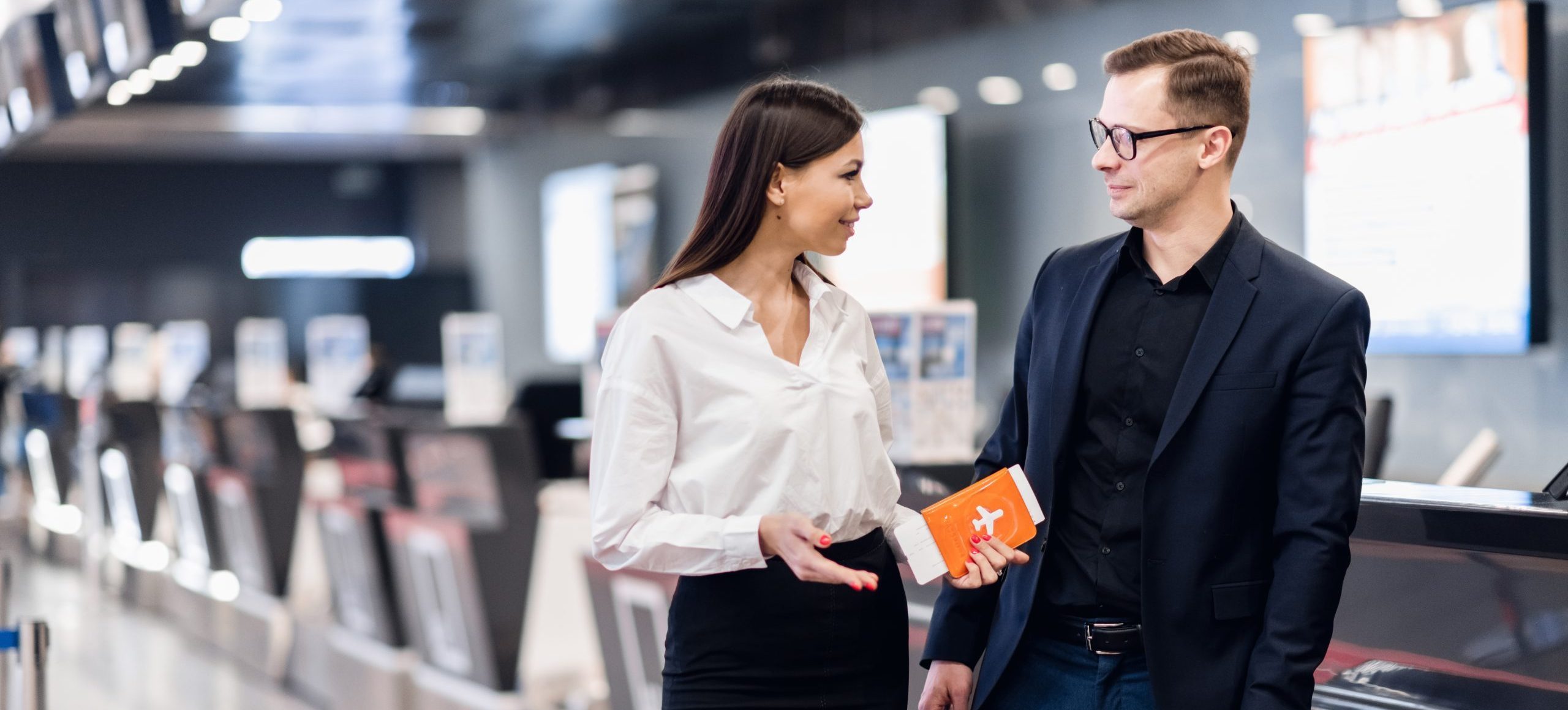
Modern airports are complex environments where multiple systems operate simultaneously. For passengers, the journey appears as a sequence of steps: check-in, security, passport control and boarding. Behind each of these stages, however, are processes that directly impact comfort and efficiency.
Understanding how airports function behind the scenes explains why services such as VIP Assistance, Fast Track access and personal agent support have become increasingly valuable.
Passenger Flow and Queue Management
One of the airport’s main challenges is managing large volumes of passengers. Peak hours, especially when several international flights depart or arrive at the same time, create pressure on infrastructure.
Queues at check-in, security and passport control are not random—they are the result of how passenger flow is distributed. Even well-organized systems can struggle to adapt to sudden demand.
Fast Track access allows travelers to bypass main queues and move through the airport more efficiently, offering a different, optimized pathway through the terminal.
Security Control and Its Impact on Timing
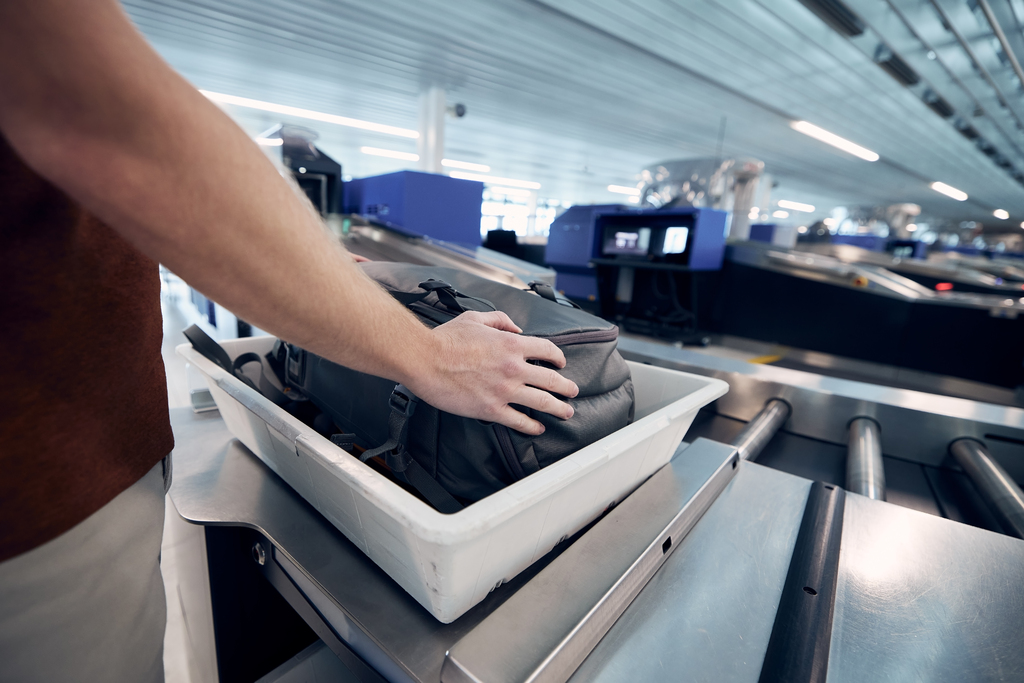
Security screening is one of the most time-consuming processes in any airport. It requires strict procedures and detailed checks, which naturally slow down the flow of passengers.
Additional inspections can further increase waiting times, particularly during busy travel periods.
VIP Assistance helps structure the journey through the airport, while a personal agent ensures that each step is handled efficiently and without unnecessary delays.
Navigation in Complex Airport Environments
Large international airports can be difficult to navigate. Multiple terminals, levels and zones create a complex environment, even for frequent travelers.
Losing time while searching for gates or moving between terminals adds unnecessary stress and fatigue.
A personal agent, as part of VIP Assistance, manages navigation, guiding passengers along a pre-planned route and eliminating uncertainty.
The Complexity of Connections
Connecting flights add another layer of pressure. Passengers must manage time carefully, often going through additional security or passport control procedures.
In these situations, the airport becomes more than a transit point—it becomes a critical stage requiring precise coordination.
Fast Track and VIP Assistance help reduce processing time and increase the chances of a smooth connection.
The Role of a Personal Agent

A personal agent acts as a link between the passenger and the airport environment. Beyond guidance, they coordinate each stage of the journey, adapting to real-time conditions.
In busy airports, this level of support helps maintain control over time and reduces stress.
The Airport as a System
For many travelers, the airport is simply a place to wait. In reality, it is a highly structured system where each process influences the next.
VIP Assistance and Fast Track access allow passengers to move through this system more efficiently, reducing friction at every stage.
Comfort Through Understanding

The smoother the airport experience, the more comfortable the journey becomes. Understanding how airport processes work helps travelers make better decisions.
This is why more travelers rely on VIP Assistance, Fast Track access and personal agent support—not as a luxury, but as a practical way to manage time and enhance comfort.