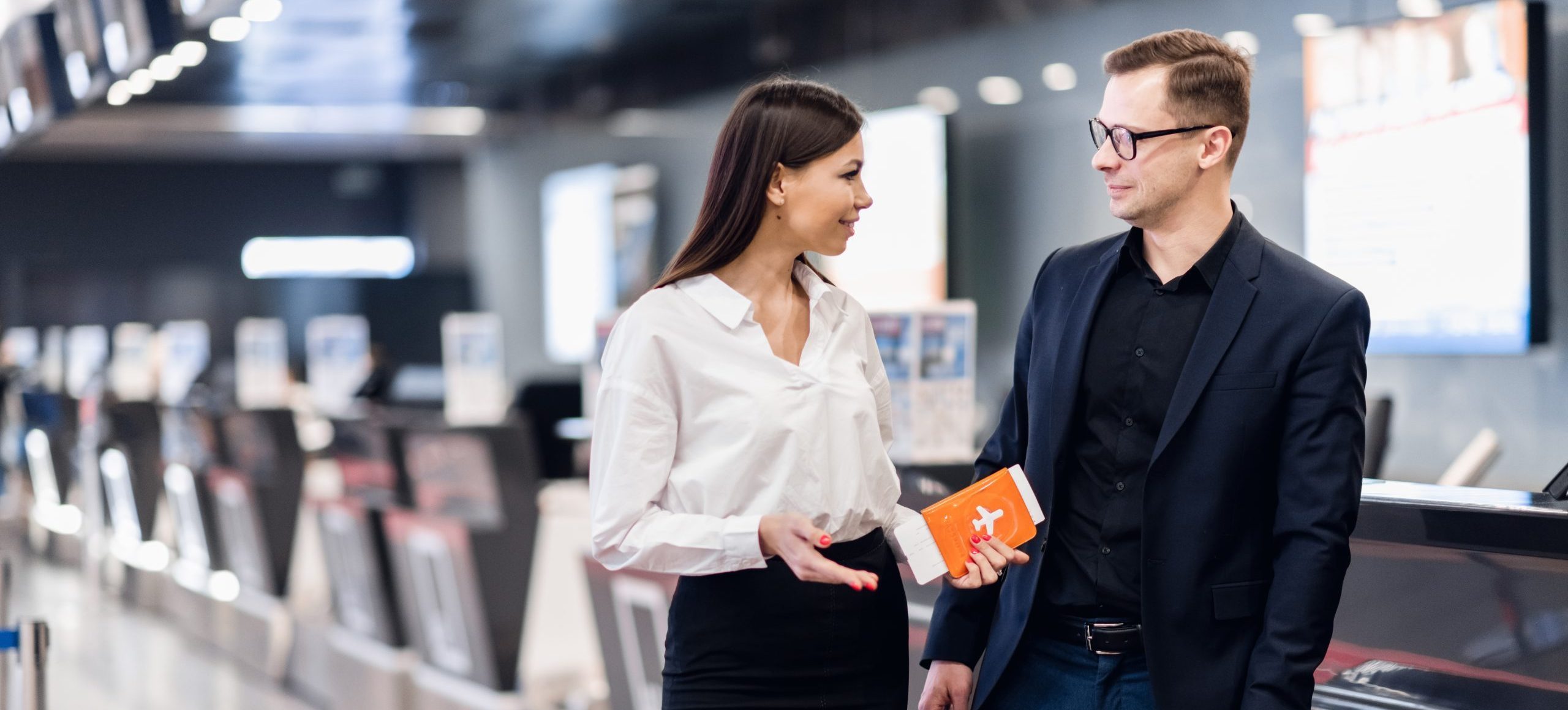
Many travelers notice that real fatigue does not begin on board the aircraft, but much earlier — at the airport. Queues, noise, uncertainty and the constant need to manage time create additional psychological pressure. As a result, even a short stay in an airport environment can feel more draining than the flight itself. Understanding the psychology behind this experience helps travelers organize their journeys more effectively and preserve their energy for what truly matters.
Sensory Overload and Travel Fatigue
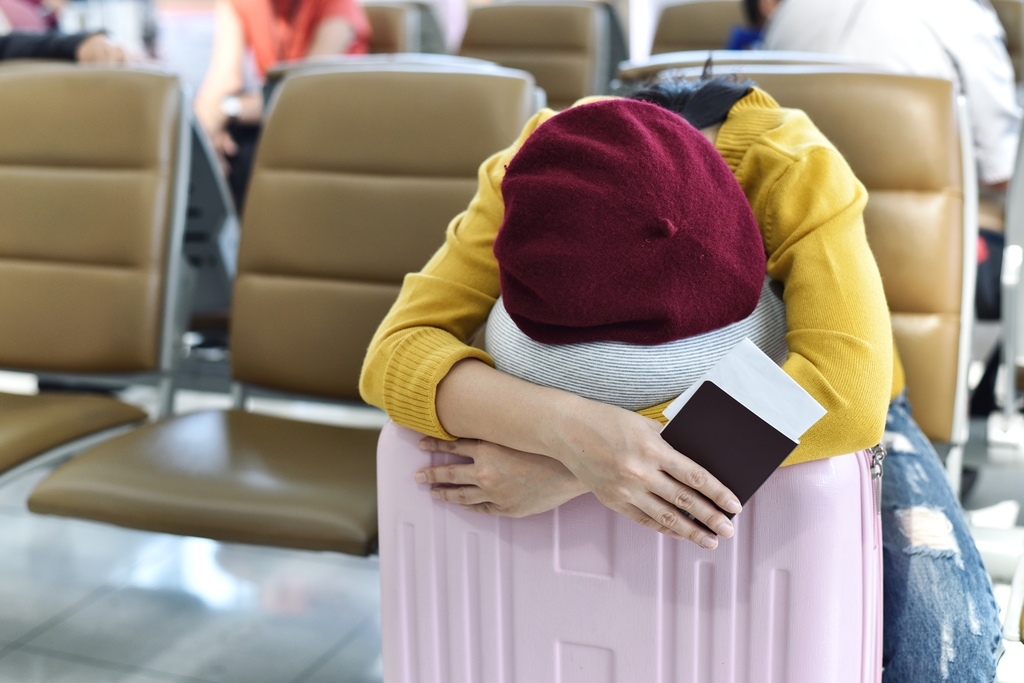
A modern airport is a highly stimulating environment. Large crowds, frequent announcements, unfamiliar layouts and the need to make quick decisions can easily lead to sensory overload. The body responds with increased fatigue, irritability and reduced concentration.
For business trips or travel with tight schedules, this type of exhaustion can be particularly noticeable. Travelers may feel mentally drained even before boarding their flight.
Decision Fatigue: The Hidden Stress of Constant Micro-Choices
In addition to sensory overload, many passengers experience what psychologists call decision fatigue — mental exhaustion caused by the need to make continuous small decisions. Airports are full of such moments: choosing the shortest queue, finding the correct gate, monitoring departure screens, navigating between terminals.
Individually, these actions may seem insignificant. Together, however, they create a constant cognitive load that can leave travelers feeling overwhelmed before their journey even begins.
VIP assistance helps reduce this burden. A personal agent manages navigation and organizational details, allowing passengers to conserve mental energy. Combined with fast track access, this structured approach makes airport formalities quicker, smoother and far more predictable.
Losing Control Over Time
Waiting in lines for check-in, security screening or passport control often creates a sense of uncertainty. Passengers cannot accurately estimate how long each stage will take. This lack of control increases anxiety, particularly when travel schedules are tight.
Fast track services at the airport help restore a sense of timing and structure. Shorter waiting times reduce stress and allow travelers to move through the airport with greater confidence.
Why Waiting Feels More Draining Than Movement
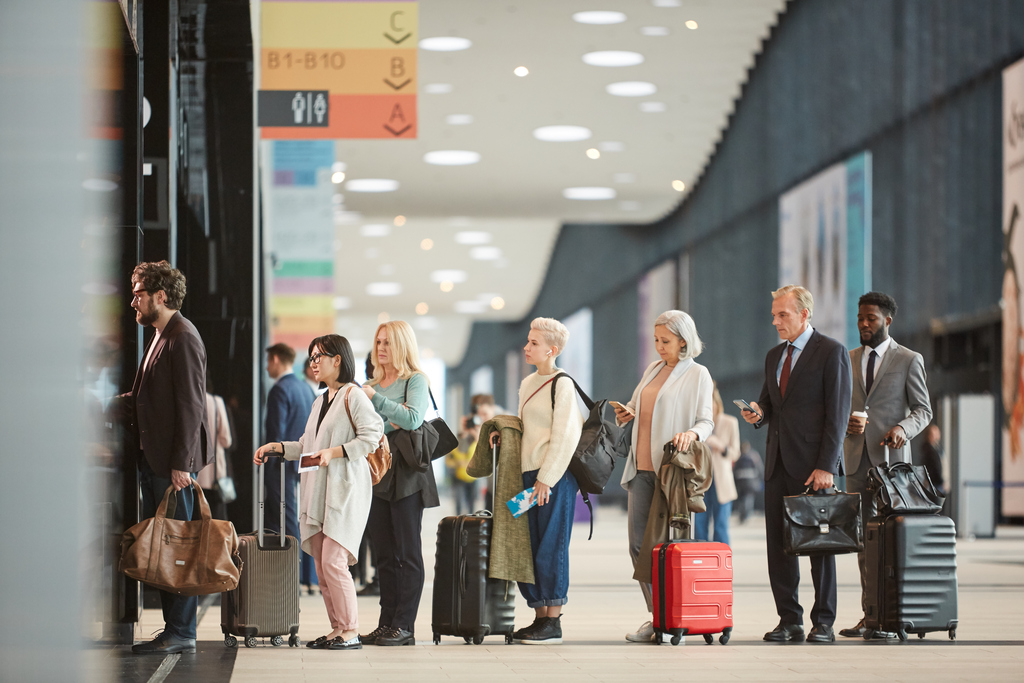
During the flight itself, passengers are in a stable and controlled environment. They can rest, work or simply switch off. At the airport, however, they remain in an active mode: walking between zones, monitoring information, standing in queues and interacting with staff.
This constant activity often makes waiting feel more exhausting than the time spent in the air.
The Role of VIP Assistance in Reducing Stress
VIP assistance helps structure the entire airport journey and eliminate unnecessary uncertainty. A personal agent accompanies passengers at every stage, providing guidance, managing timing and coordinating formalities.
This approach creates a calmer travel rhythm and allows passengers to focus on the purpose of their trip rather than logistical challenges.
Fast Track as a Tool for Preserving Energy
Fast track is often viewed simply as a time-saving option. In reality, its benefits are broader. By reducing time spent in crowded queues, it helps limit both physical and emotional fatigue. Travelers reach comfortable waiting areas or lounges sooner and begin their journey in a more relaxed state.
Within a premium travel service, fast track becomes part of a carefully designed system aimed at preserving the traveler’s energy and well-being.
The Airport as Part of the Overall Travel Experience
The perception of a journey is shaped long before takeoff. When airport procedures are smooth and well organized, the entire trip feels more positive. Conversely, stress and fatigue at the airport can influence mood and productivity throughout the journey.
With the support of a personal agent and VIP assistance, the airport becomes a structured and manageable part of the travel experience.
Premium Service as the New Standard of Travel
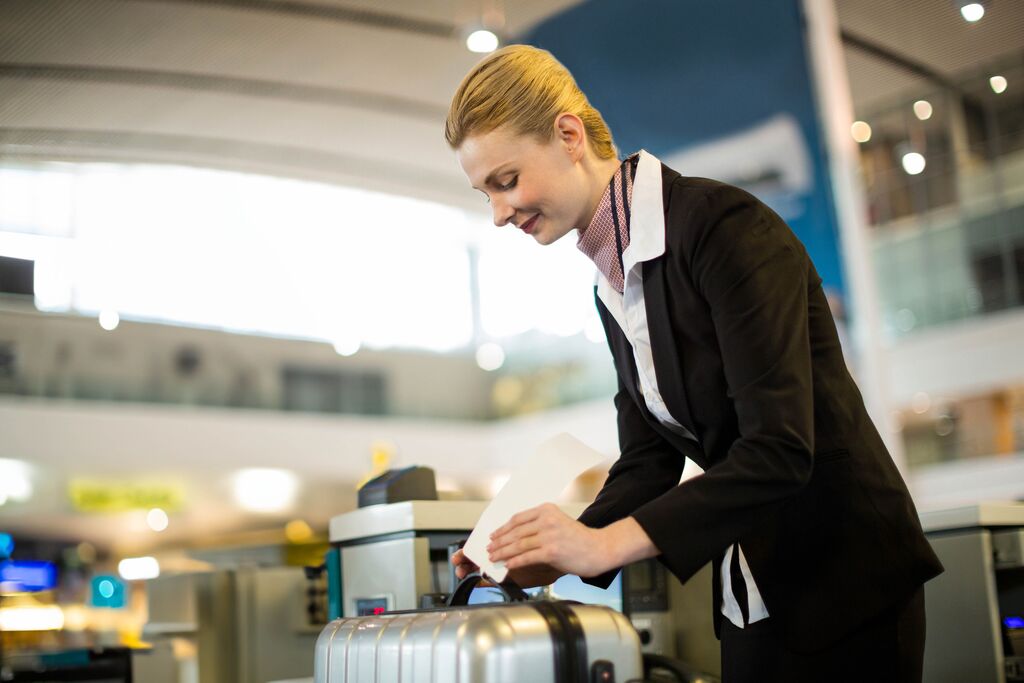
Modern travelers increasingly seek to preserve their time and energy for what truly matters — business meetings, meaningful experiences or time with family. In this context, premium airport services are no longer about status but about improving the quality of travel.
Fast track access, VIP assistance and personalized support help minimize fatigue and transform the airport into a seamless stage of the journey.