Passport control is often one of the most stressful stages of airport travel, especially on international routes. Long queues, additional checks and unpredictable waiting times can easily disrupt the rhythm of a journey. However, with the right preparation and organization, passport control can be completed quickly and comfortably. In this context, VIP assistance, fast track access and the support of a personal agent play a key role in ensuring a seamless travel experience.
Why Passport Control Requires Special Attention
Even in modern airports, passport control remains a high-pressure area. Passenger flow, peak arrival and departure times, and enhanced security procedures can significantly increase waiting times. For both business and private travel, these delays can affect schedules and create unnecessary stress at the very beginning or end of a trip.
Tip 1. Prepare Your Documents in Advance
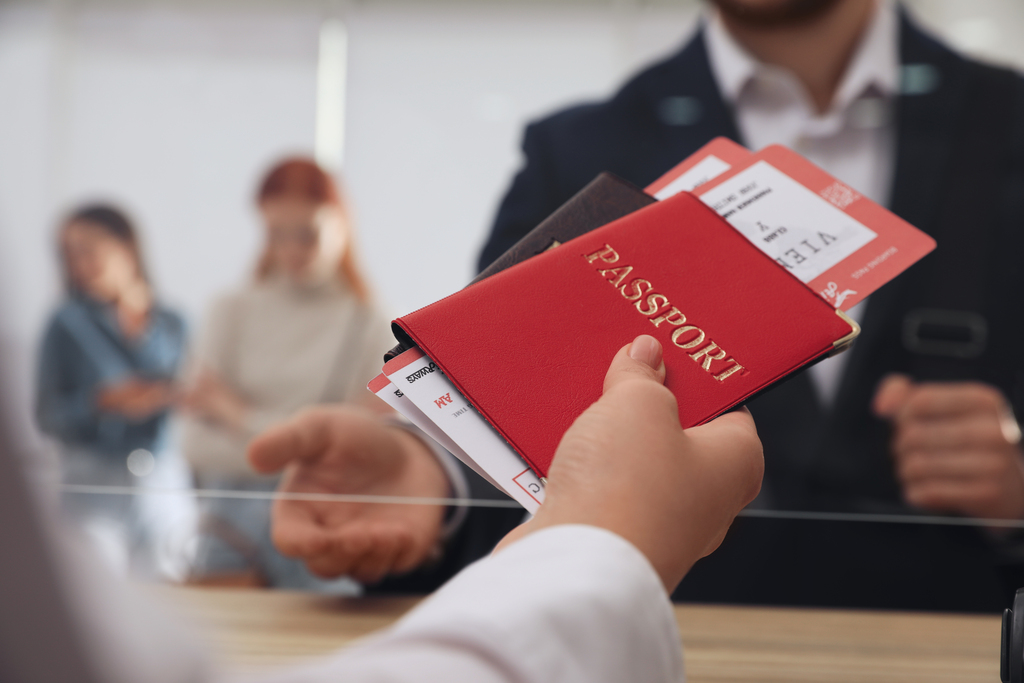
One of the simplest yet most effective steps is to have all required documents ready before reaching passport control. Your passport, boarding pass and visa (if applicable) should be easily accessible. This helps avoid delays and ensures a smoother interaction with border control officers.
Within VIP assistance services, a personal agent verifies document readiness in advance and advises on any destination-specific requirements related to the airport and the journey.
Tip 2. Be Aware of Peak Hours at the Airport
Every airport has peak periods when passport control lines become significantly longer. Early mornings, evenings and times when multiple international flights arrive simultaneously often create congestion.
VIP assistance takes these factors into account. A personal agent plans the airport route based on real-time conditions, while fast track access helps bypass standard queues whenever possible.
Tip 3. Use Fast Track Whenever Available

Fast track access is one of the most effective ways to reduce waiting time at passport control. Priority lanes allow travelers to move through the process more efficiently, particularly during high season.
As part of VIP assistance, fast track access is integrated into a well-coordinated airport journey, with a personal agent ensuring that no time is lost between different stages.
Tip 4. Stay Calm and Follow Instructions
Passport control is a formal process, and calm, clear communication helps speed things up. Following instructions precisely and remaining composed reduces the likelihood of additional questions or delays.
A personal agent provides guidance throughout the process, which is especially helpful when traveling through an unfamiliar airport or country.
Tip 5. Allow Extra Time for Connections

When traveling with connections, especially through busy international airports, it is essential to allow extra time for passport control. Tight connections increase the risk of missing onward flights.
VIP assistance becomes particularly valuable in these situations. A personal agent monitors timing closely and helps passengers move through passport control as efficiently as possible without unnecessary stress.
Tip 6. Choose VIP Assistance for Maximum Comfort
For travelers who value premium service, VIP assistance offers a fully supported airport experience. A personal agent accompanies the passenger through all formalities, including passport control, managing every detail along the way.
Fast track access, personalized routing and continuous support transform passport control into a predictable and comfortable part of the journey.
Passport Control as Part of a Seamless Travel Experience
With the right approach, passport control does not have to be a stressful moment. Combined with VIP assistance, fast track access and the expertise of a personal agent, it becomes a smooth and well-managed stage of travel.
For clients accustomed to high standards, passport control at the airport can be an integrated element of a premium service — ensuring that every journey begins and ends with comfort, efficiency and peace of mind.