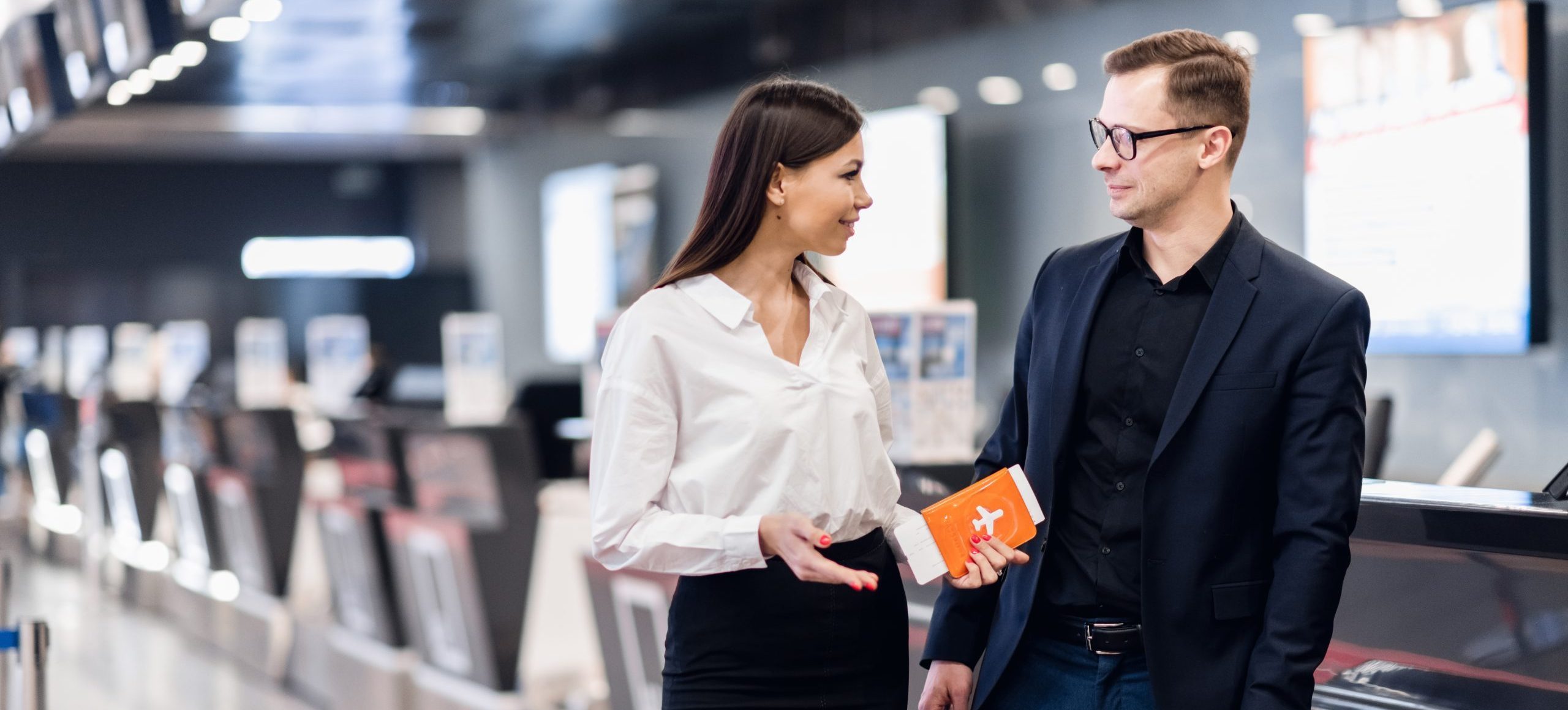
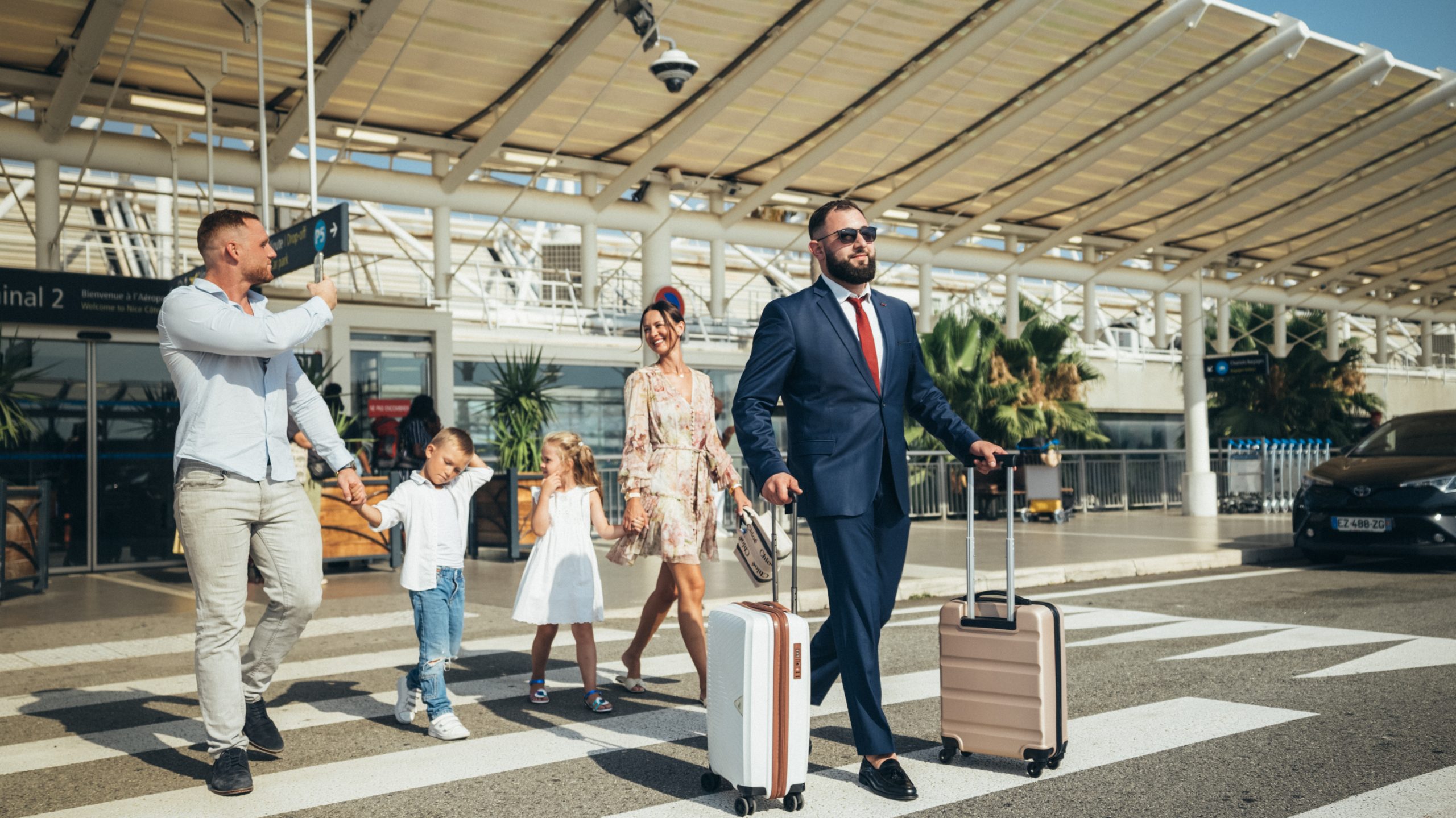
A journey rarely begins at the moment of boarding the plane — it starts right at the airport entrance. This is where a person encounters the first wave of impressions, organizational tasks, and streams of people they need to navigate through. For some, this is a familiar environment where everything is clear and predictable; for others, it is a space that requires special preparation and inner focus.
Different groups of passengers perceive the airport in their own way: for some, it is a workplace; for others, a test of patience; and for others still, a logistical labyrinth. Specialists who analyze user experience and traveler behavior identify five categories of people who especially benefit from proper preparation, VIP assistance, and a well-planned route.
Each has their own reasons — from physical condition to emotional characteristics, from the amount of luggage to the specifics of the trip. But they all share one thing: comfort and predictability directly influence how the journey begins and what state a person arrives in at their final destination.
1. Business travelers with tight schedules
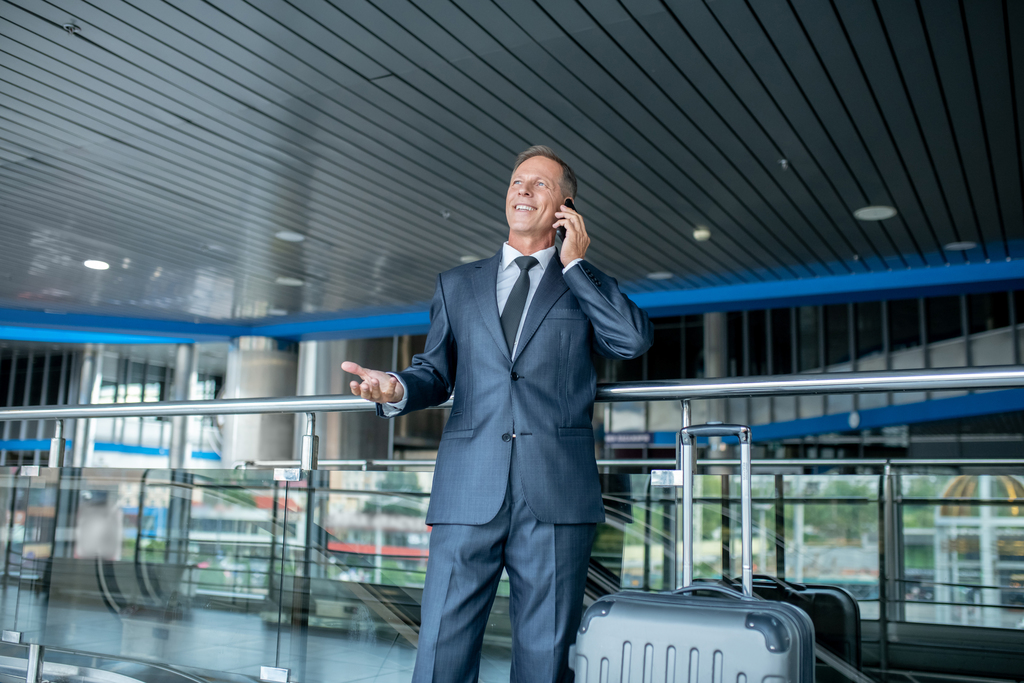
For businesspeople, time is a value comparable to money. Meetings, calls, deadlines, and negotiations are scheduled down to the minute, and any delay can disrupt the entire chain of plans. Even a small queue or the need to look for the check-in desk can create extra pressure and stress.
In such conditions, it is important to plan the airport route in advance: to know where priority desks are located, which path to the boarding gate minimizes time loss, and how to manage energy to remain productive throughout the day. This is where VIP assistance and fast-track services become indispensable. Professional VIP assistance relieves organizational burden and allows travelers to focus on what matters. For business passengers, it is critical that every step is logical and quick, while a personal agent helps maintain concentration and avoid distractions.
2. Families with children
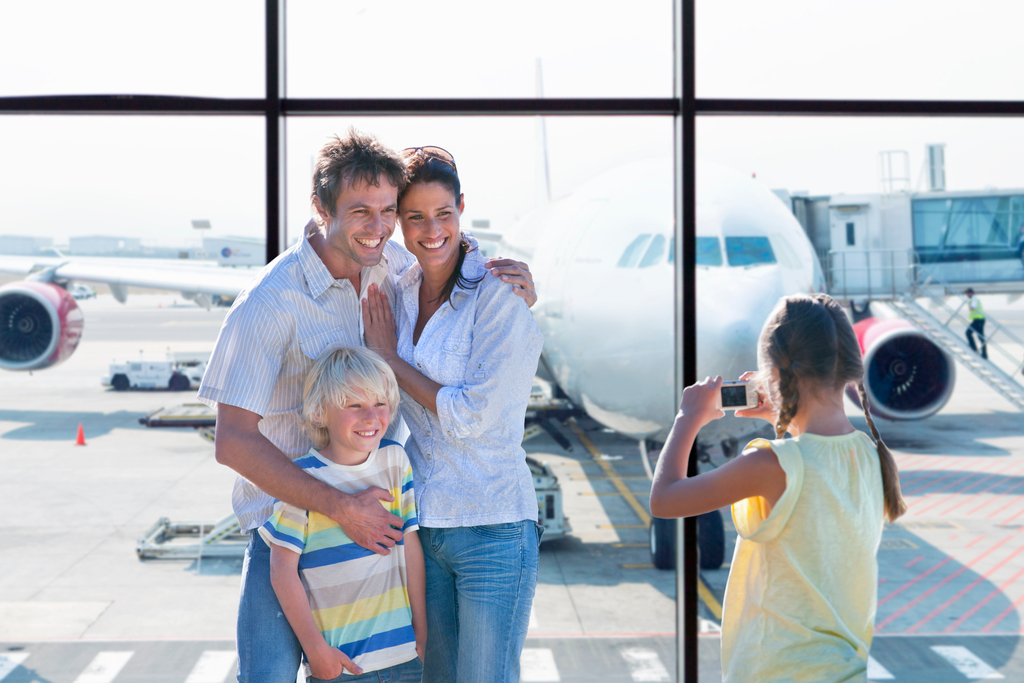
Traveling with young children always requires extra attention and logistics. Strollers, snacks, spare clothes, toys, and entertainment all add tasks to the standard airport procedures. Security checks, constant supervision of children, and the need to navigate an unfamiliar environment create additional tension.
For families, it is especially important to have a pre-planned route and the ability to move without rushing. VIP assistance allows parents to feel more confident, knowing that a personal agent will help with organization. Comfortable waiting areas, convenient transitions between zones, and the ability to pause so a child can rest or eat make the trip smoother. When logistics are arranged, parents can focus on the children and enjoy the journey instead of fighting chaos.
3. Travelers with large or oversized baggage
Those transporting bulky equipment, musical instruments, sports gear, or other oversized items face additional challenges. Inspecting such items takes time and attention, and moving through long airport corridors with heavy or fragile baggage becomes physically demanding.
For these passengers, it is important to plan routes and actions in advance: where to check in large items, how much time will be needed for processing, and how to safely move things inside the terminal. VIP assistance with a personal agent reduces tiredness and helps maintain control over the luggage. Fast-track service helps avoid unforeseen situations that turn a simple trip into a source of stress.
4. Travelers taking international or complex routes
Long flights, layovers, terminal changes, and various documentation requirements make such trips more demanding and requiring focus. Any deviation from the schedule, delay, or misunderstanding of rules may lead to stress and loss of time.
For international travelers, it is important to understand the sequence of actions in advance: where document checks take place, which terminals are involved, how long transfers take, and which procedures require extra attention. VIP assistance with fast-track and a personal agent helps reduce anxiety. Predictability and a clear structure make it easier to focus on the purpose of the trip rather than logistics. Thanks to this, the presence of a personal agent provides a sense of safety and confidence in any situation.
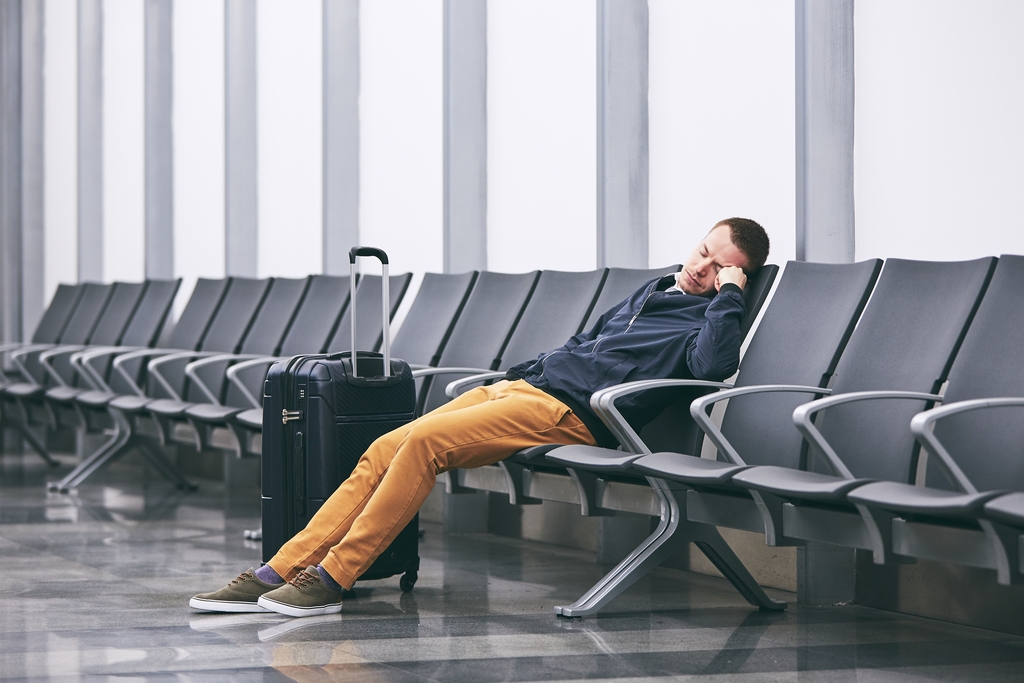
5. VIP guests, media persons, and public figures
For well-known persons, the airport often becomes an area of heightened attention. Cameras, lights, crowds, and the need to manage one’s public image create additional pressure and can take away the feeling of peace.
For this category, privacy and minimized contact with others are critical. VIP assistance with a personal agent, well-planned airport routes, access to private zones, and fast-track service help avoid crowds. Confidentiality and a sense of control make the trip calmer and allow the individual to focus on their goals.
How to prepare for a trip if you belong to one of these categories
Preparation includes not only packing and buying a ticket, but also thoughtful organization of time, route, and space. It is useful to clarify baggage rules in advance, look at the terminal layout, locate key points and waiting areas, and understand how much time each stage requires.
VIP assistance and personal agent services allow delegating organizational tasks to professionals. Even minimal planning helps reduce tension: choose a comfortable place, distribute tasks, and avoid unnecessary rush. A fast-track through the airport saves valuable time. When the route is planned in advance, the road stops being a source of stress and becomes a natural part of the journey, allowing you to approach the flight calm and prepared.